Your Digital Legacy Matters: How to Pass On Passwords, Crypto, and Social Media Accounts
When you think about what you'll leave behind, you probably consider your house, bank accounts, and family heirlooms. But what about your Instagram account with thousands of photos? Your Bitcoin wallet? The family videos stored in Google Drive? These digital assets are just as important as physical ones, yet most people don't have a plan for them.
Your digital legacy includes everything from social media profiles to cryptocurrency wallets, online banking accounts to subscription services. Without proper planning, your loved ones might struggle to access these accounts, potentially losing precious memories, important documents, or even significant financial assets.
Let's walk through how to create a digital estate plan that protects what matters most to you online.
What Counts as a Digital Asset?
Digital assets are broader than you might think. They include:
- Social media accounts (Facebook, Instagram, Twitter, LinkedIn, TikTok)
- Email accounts and stored messages
- Photo and video storage (Google Photos, iCloud, Amazon Photos)
- Online banking and investment accounts
- Cryptocurrency wallets and digital currency
- Subscription services (Netflix, Spotify, cloud storage)
- Digital files stored on computers or in the cloud
- Domain names and websites you own
- Online gaming accounts with valuable virtual items

Even your smartphone contains digital assets – contacts, photos, messages, and apps that hold personal or financial value. Think about the last time you scrolled through old photos on your phone. Those memories are digital assets worth preserving.
Step 1: Create a Complete Digital Inventory
The first step is making a comprehensive list of all your digital accounts. This might take longer than you expect, but it's crucial for protecting your digital legacy.
Start by checking your:
- Browser bookmarks and saved passwords
- Email accounts for account creation confirmations
- Phone apps, especially those requiring login credentials
- Bank and credit card statements for recurring digital charges
- Password manager if you use one
For each account, document:
- The platform or service name
- Your username or email address
- How to access the account (password, two-factor authentication)
- The account's purpose and importance
- What you want to happen to it
Don't store this information in an unsecured document on your computer. Use a password manager or encrypted file that can be securely shared with trusted individuals.
Step 2: Decide What Happens to Each Account
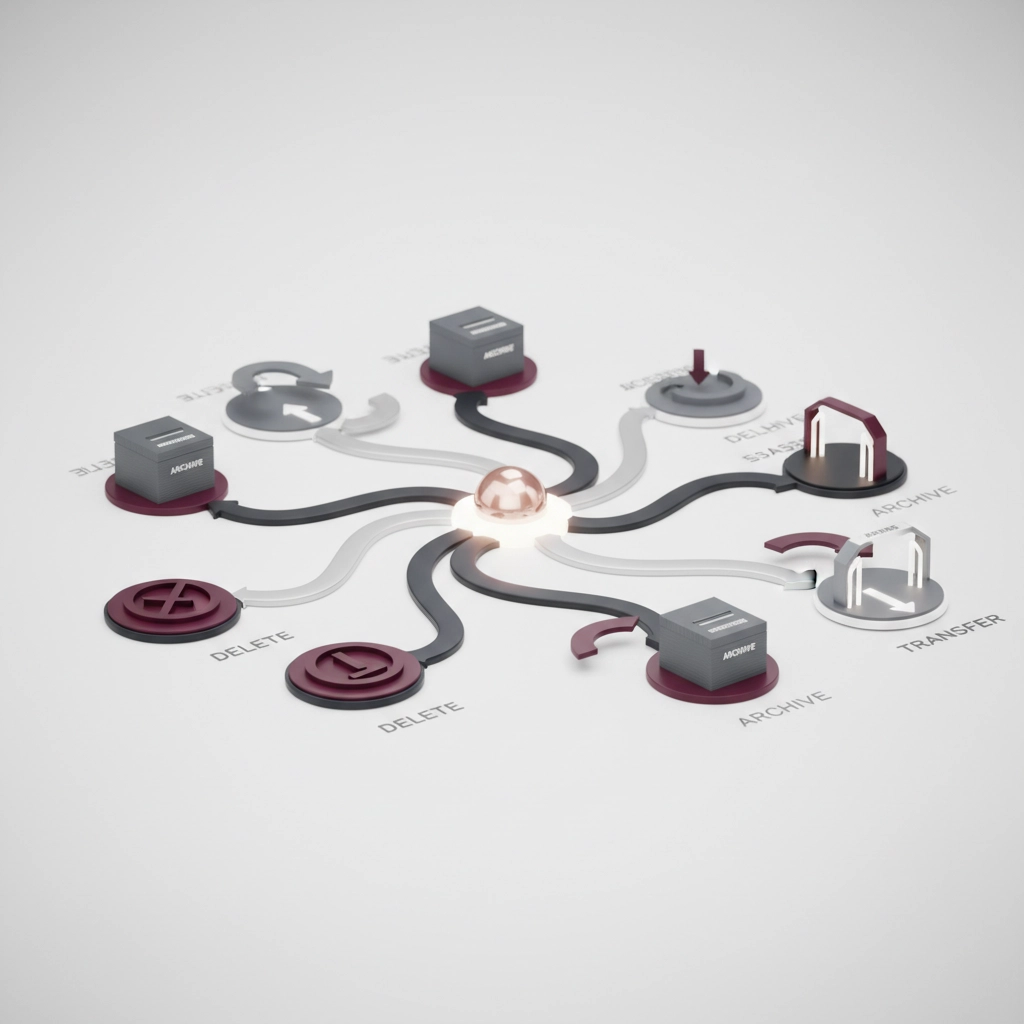
For every digital asset, you need to make a clear decision about its future. Here are common options:
Social Media Accounts:
- Delete the account entirely
- Memorialize it (Facebook and Instagram offer this option)
- Transfer control to a family member
- Archive important content before closure
Financial Accounts:
- Close after transferring assets to beneficiaries
- Transfer to surviving spouse or designated person
- Convert investments to cash for estate distribution
Personal Files and Photos:
- Download and preserve for family
- Transfer to cloud storage accessible by loved ones
- Create physical backups of irreplaceable items
Subscription Services:
- Cancel to avoid ongoing charges
- Transfer to family member if they want to continue

Be specific in your instructions. Instead of writing "do something with my Facebook," write "memorialize my Facebook account after downloading all photos to share with family."
Step 3: Choose Your Digital Executor
A digital executor manages your online presence after you're gone. This person should be tech-savvy, trustworthy, and comfortable handling sensitive information. They can be the same person as your traditional estate executor or someone different.
Your digital executor's responsibilities include:
- Accessing accounts using the information you've provided
- Following your instructions for each digital asset
- Closing unnecessary accounts
- Preserving important digital content
- Handling any ongoing digital financial obligations
Make sure your chosen person understands these responsibilities and has agreed to take them on. Consider naming a backup digital executor in case your first choice is unavailable.
Step 4: Handle Cryptocurrency Carefully
Cryptocurrency presents unique challenges because it's not controlled by traditional financial institutions. If you own Bitcoin, Ethereum, or other digital currencies, special planning is essential.
Document the following for each cryptocurrency holding:
- Wallet type (hardware, software, exchange-based)
- Wallet addresses
- Private keys or seed phrases
- Exchange account information
- Instructions for safe transfer
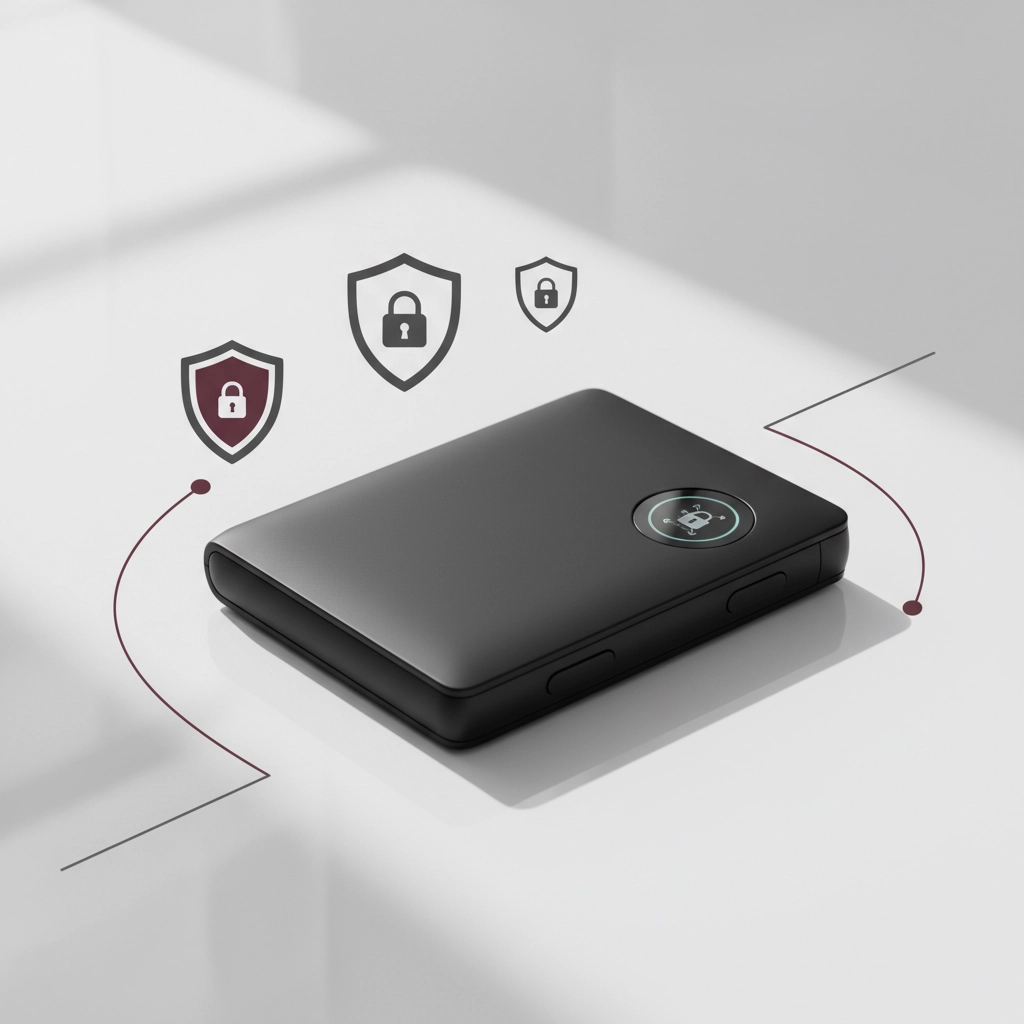
Store this information extremely securely – anyone with access to your private keys can steal your cryptocurrency. Consider using a hardware wallet with clear instructions for your digital executor about how to access and transfer funds safely.
Unlike bank accounts, there's no customer service number to call if cryptocurrency access is lost. Your digital executor needs precise instructions and possibly some basic education about how cryptocurrency works.
Step 5: Make It Legal
Include your digital assets in your formal estate planning documents. While your will shouldn't contain passwords or sensitive access information, it should reference your digital estate plan and give your executor authority to manage digital assets.
Many states have adopted the Revised Uniform Fiduciary Access to Digital Assets Act, which gives fiduciaries legal authority to manage digital assets. However, you can make the process smoother by explicitly granting this authority in your estate planning documents.
Consider working with an estate planning attorney who understands digital assets. At Pinnacle Law Firm, we help California families create comprehensive estate plans that include both traditional and digital assets.
Step 6: Use Built-in Legacy Features
Many tech companies now offer legacy contact or memorial account features. These tools make it easier for trusted contacts to manage your accounts after you die.
Google: Inactive Account Manager lets you designate trusted contacts and set a time period after which they can access your account.
Facebook and Instagram: Legacy contacts can memorialize your profile, respond to friend requests, and post updates.
Apple: Digital Legacy contacts can access iCloud data including photos, messages, and other stored information.
Set up these features where available – they provide an additional layer of protection and make your digital executor's job easier.
Step 7: Keep Everything Updated
Digital estate planning isn't a one-time task. Your digital life changes frequently, so your plan needs regular updates.
Review and update your digital estate plan:
- When you create new accounts
- When you change passwords
- When you acquire new digital assets (especially cryptocurrency)
- At least once a year during regular estate plan reviews
- When major life events occur (marriage, divorce, new children)
Set a recurring reminder to review your digital inventory. Technology changes quickly, and new platforms emerge regularly. What seems important today might be obsolete tomorrow, and new digital assets you haven't considered might become valuable.
Taking Action on Your Digital Legacy
Creating a digital estate plan might feel overwhelming, but you can start small. Begin by listing your most important accounts and gradually build a comprehensive inventory. The key is starting now, while you can make these decisions thoughtfully.
Remember that your digital legacy isn't just about assets – it's about preserving memories, protecting your family from unnecessary stress, and ensuring your online presence reflects your wishes. Those thousands of photos on your phone, the videos of your children's first steps, the messages from loved ones – these digital memories are irreplaceable.
Your digital footprint tells the story of your life in the modern world. By planning thoughtfully for its future, you're giving your family a precious gift: the ability to honor your memory without the stress of guessing what you would have wanted.
Start building your digital legacy plan today. Your future self and your loved ones will thank you for taking this important step in comprehensive estate planning.